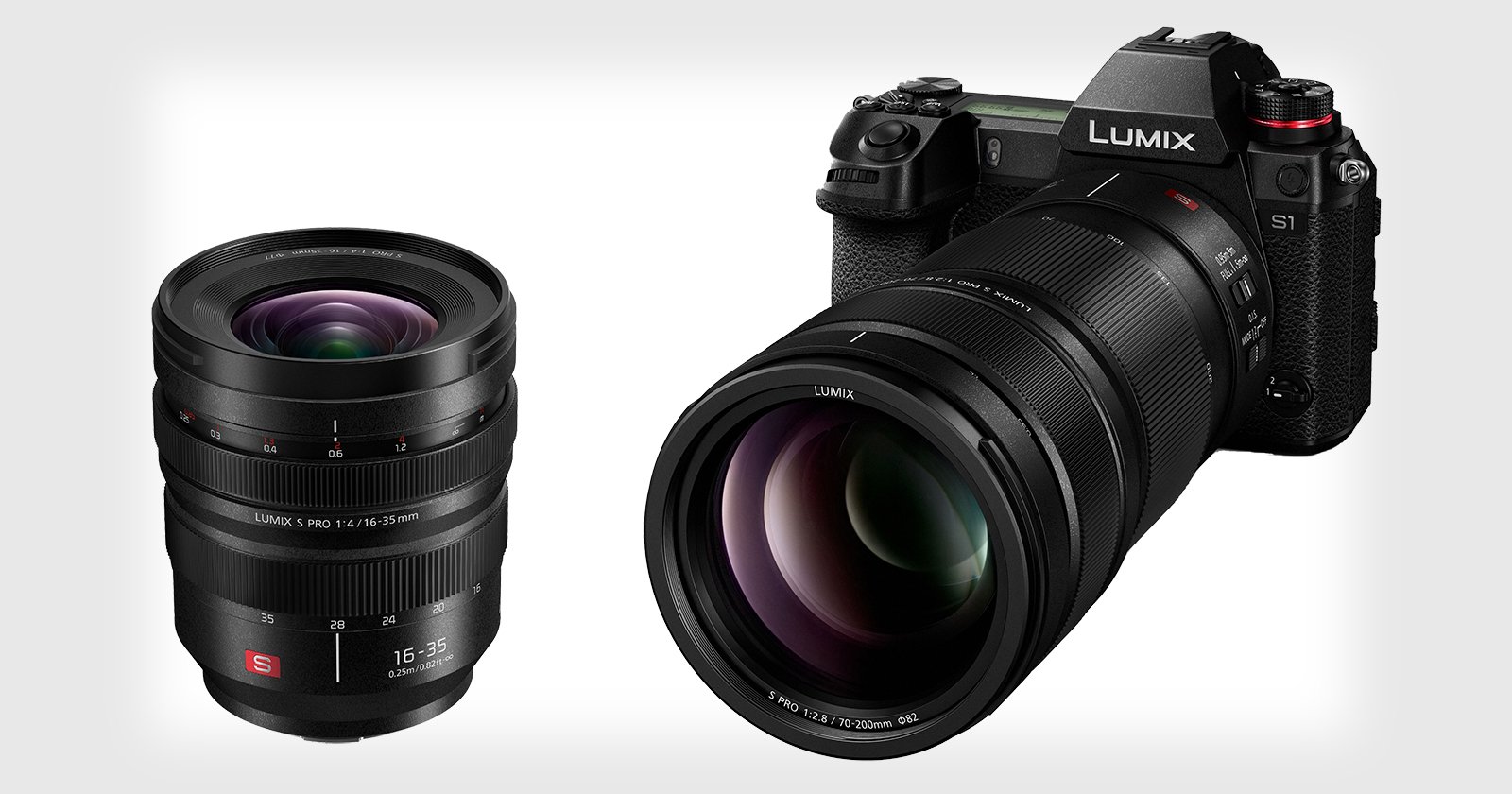
Image: Panasonic Many of Panasonic's lens names can look downright intimidating. Case in point, the Panasonic Lumix G X Vario PZ 45-175mm F4-5. 6 ASPH POWER O. I. S. lens. It's certainly a mouthful, and can be a head-scratcher in terms of what everything means.
In this article, we'll be breaking down Panasonic's lens terminology to help you read its lens names with confidence.
Mounts, lens class and collaboration branding
Like many other companies, Panasonic starts its lens names with letters or terms that indicate the mount, lens class or any collaborative branding.
Lumix G and S
Panasonic makes cameras with two different mounts: Micro Four Thirds (MFT) and L-mount. The Lumix G lineup consists of lenses specifically designed for its MFT mirrorless cameras, and therefore, they utilize the MFT mount and are not compatible with L-mount cameras. Lumix S lenses are L-mount lenses made for the company's full-frame mirrorless cameras.
Pro and X
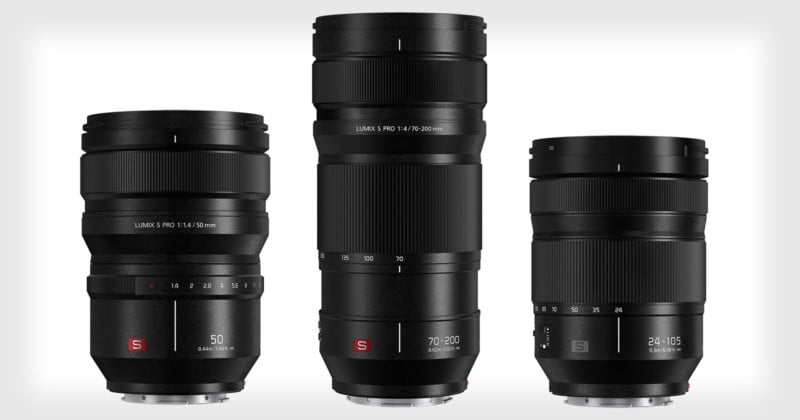
The Lumix S Series Pro 70-200mm F4 is an L-mount full-frame lens that's part of Panasonic's Pro lineup.
Image: Panasonic
After the letter identifying the mount may come an 'X' or 'Pro' designation, such as in Lumix G X Vario PZ 14-42mm F3. 5-5. 6 Power O. I. S and Lumix S PRO 24-70mm F2. 8. The 'X' series of lenses is exclusive to the MFT system, so you will only see that designation on Lumix G lenses. They sit at the top of Panasonic's MFT lens lineup, offering better build and image quality than those not in the X series.
The Pro series also encompasses top-tier lenses, though Pro lenses are designed for full-frame L-mount cameras. As the name suggests, they are meant for professionals. As a result, they promise more advanced optics with improved weather-sealing and autofocus compared to non-Pro lenses.
Leica DG, Summilux, Vario-Elmarit and Nocticron
The Leica DG Summilux 9mm F1. 7 ASPH lens features Leica's Summilux branding.
Image: Panasonic
Lastly, some lenses will have Leica-related branding that references collaboration between Panasonic and Leica. The two companies began collaborating in 2000 and have renewed their partnership multiple times since then.
If you see 'Leica DG' on a Panasonic lens, that indicates it was designed and manufactured by Panasonic to Leica's quality standards. Leica DG lenses are designed specifically for MFT systems. In addition to the Leica DG designation, you may see other Leica terms on Panasonic lenses that reference specific features.
Summilux is a Leica name that combines the Latin words 'summi' (maximum) and 'lux' (light). Lenses with 'Summilux' in their name offer a wide maximum aperture, typically ranging from F1. 4 to F1. 7 on MFT lenses.
Vario-Elmarit combines Leica's 'Vario' (meaning zoom) prefix with 'Elmarit,' which refers to lenses with a maximum aperture of F2. 8. Lenses with this phrasing are Panasonic Leica DG zoom lenses for MFT cameras that offer a maximum aperture of F2. 8 or F2. 8-4 in the case of the Leica DG Vario
Lastly, some Panasonic lenses feature the Nocticron branding, which is a Leica trademark that refers to premium lenses with a fast F1. 2 maximum aperture.
Lens technology
The Lumix G X Vario PZ 45-175mm F4-5. 6 ASPH Power O. I. S. offers power zoom capabilities (PZ), aspherical elements (ASPH) and Panasonic's enhanced stabilization (Power O. I. S. ).
Image: Panasonic
Panasonic also includes various lens technology features in its lens names, when applicable. These can refer to zoom, stabilization or optical design features.
PZ
PZ is a brand-agnostic term that stands for Power Zoom. These lenses offer an electronic, variable-speed zoom that's designed for video use.
O. I. S and Power O. I. S
O. I. S. stands for Optical Image Stabilizer, which is Panasonic's stabilization system that aims to reduce blur that results from camera movement. The company also offers lenses with Power O. I. S. , an enhanced version of O. I. S. for even better stabilization.
ASPH and Nano Surface Coating
Some lenses feature 'ASPH' in the name, which refers to the fact that the lens uses aspherical elements to correct optical aberrations for improved image quality. Aspherical lens elements are a general optical technology used across manufacturers, but Panasonic sometimes calls attention to the feature in the lens name. If you don't see it in the lens name, that doesn't mean aspherical lens elements aren't in use; some lenses simply don't feature the term in their name.
Finally, Panasonic's 'Nano Surface Coating' is a multi-layer anti-glare coating that it applies to lens elements to reduce ghosting and flaring for improved light transmission and color rendition.
. dpreview.com2025-12-4 17:00